Insights3 min read
Why buildings collapse — and how to prevent it
A building approved for three floors rises to four or five, inspectors are turned away, and a stop order is ignored. The Port Harcourt collapse of June 2026 shows how collapses happen — and every step that could have prevented it.
By FESFAHM Editorial Team
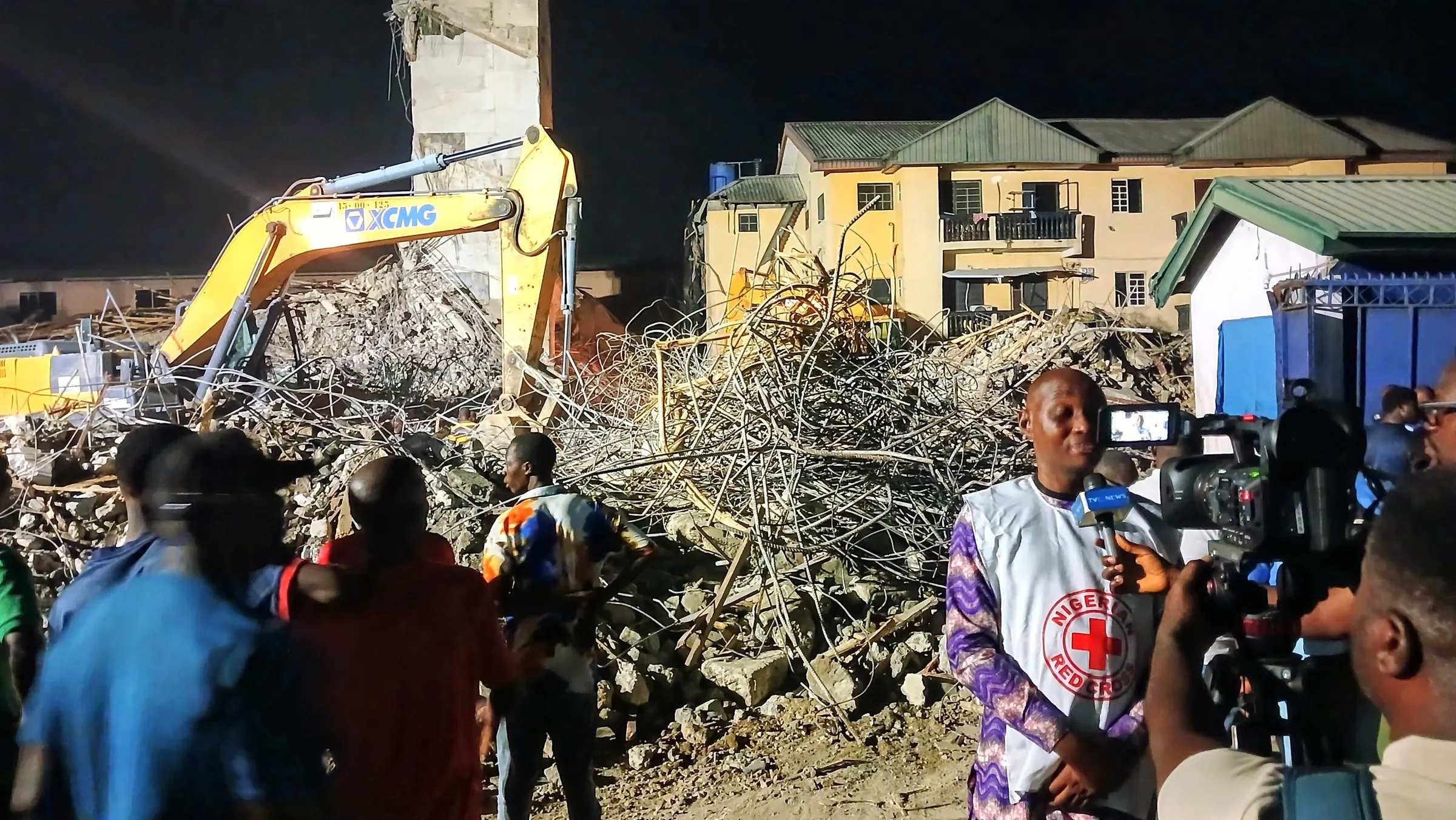
On the morning of 24 June 2026, a building under construction on Peter Odili Road in Port Harcourt, Nigeria, collapsed while workers were on site. At least two people were confirmed dead in the first two days, three were rescued alive, and others were feared trapped under the rubble.
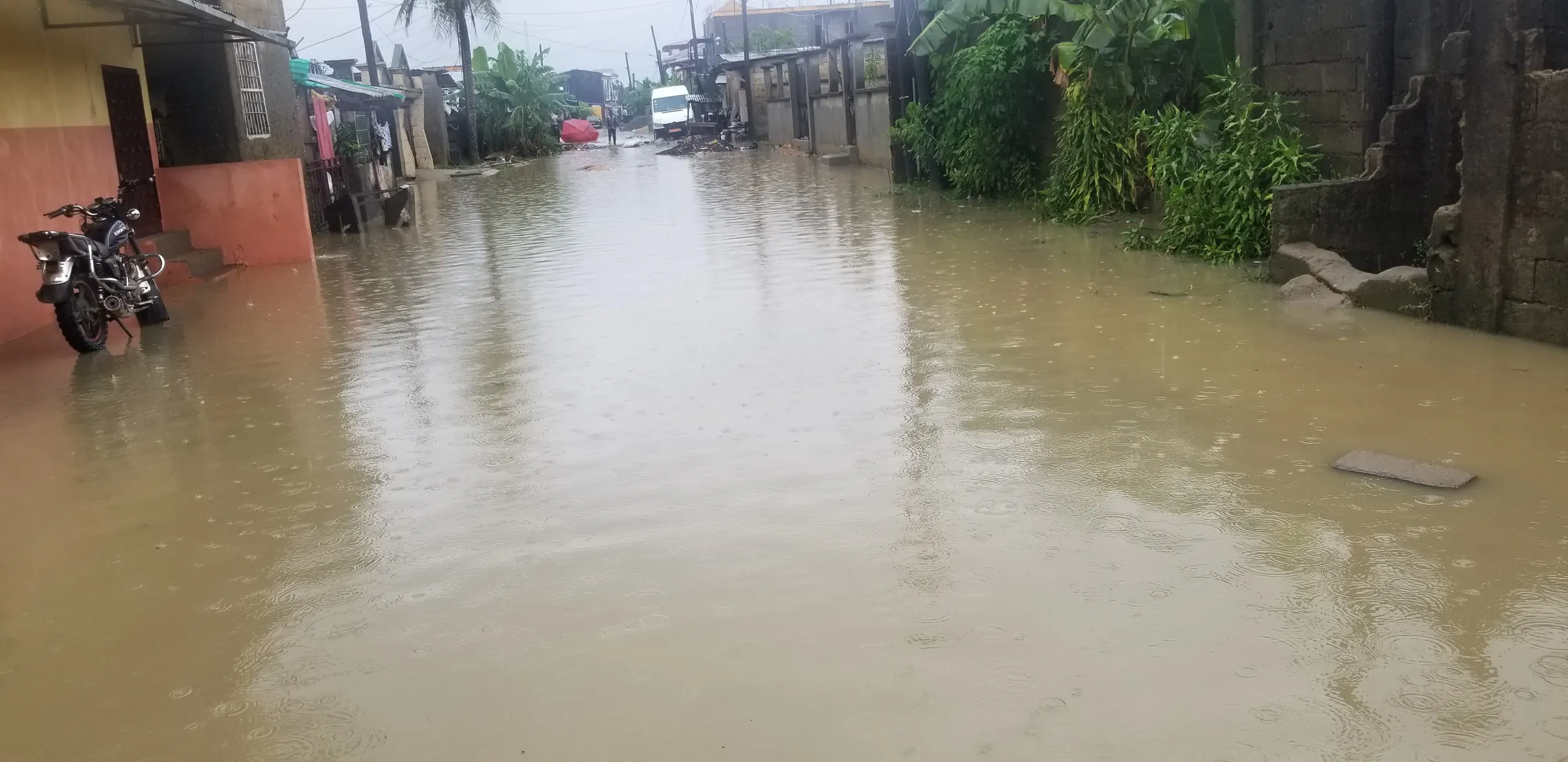
Port Harcourt is a coastal city much like Douala: hot, wet, fast-growing, with soft ground and heavy demand for new buildings. What went wrong there is what goes wrong here.
What went wrong
The investigation is still under way, but the authorities have already described a chain of failures:
- More floors than approved. The Federal Housing Authority says it approved, on 20 February 2024, a structure with "three suspended floors", based on the drawings submitted. Reports say the building reached four or five floors, with a further floor planned.
- Inspections refused. According to the Rivers State governor, state officials tried several times to inspect the site and were denied access.
- A stop order ignored. The FHA says it had ordered work to stop. The developer allegedly refused.
- Suspected poor materials. Preliminary inspections showed signs of substandard concrete and reinforcement. Samples were sent for laboratory analysis.
"I wonder what kind of engineer would allow such a project to continue," the governor said at the site, which he ordered sealed.
The usual causes of a collapse
Port Harcourt is not unusual. Most building collapses come from a short list of causes, often several at once:
- Building more than the structure was designed for. Every floor adds weight to the columns and foundations below. A frame designed for three floors does not carry five.
- No real structural design. Columns, beams, slabs and foundations sized by habit or copied from another building, instead of calculated by an engineer.
- Weak concrete. Too little cement, dirty sand or gravel, too much water in the mix, no vibration, no curing. The concrete looks the same and carries half the load.
- Wrong or too little steel. Smaller bars than specified, too few bars, or bars without enough concrete cover, which rust and burst the concrete.
- Poor foundations. No soil investigation, foundations too shallow or too small for soft or waterlogged ground.
- Formwork struck too early. Props removed before the concrete has gained strength, especially when building fast.
- Unauthorised changes. Walls removed, openings cut, floors added or the use changed — from house to warehouse, for example — without an engineer.
- Water and neglect. Blocked drainage, leaking roofs and years of corrosion in buildings that are never inspected.
In August 2026, the Douala Urban Community gave almost the same list for the 31 dangerous buildings it found in Douala. (See building collapses in Douala in 2026.)
How to prevent it
Before building
- Have the structure designed by a qualified civil engineer, based on a soil investigation.
- Obtain the building permit for the building you will actually build. (See the building permit in Douala.)
- If you might add floors one day, design for them now — foundations and columns included.
During construction
- Build exactly what was approved. A change to the structure goes back to the engineer and the authorities first.
- Use tested materials: cement of the specified grade, clean aggregates, steel of the right diameter and quality, and good cement blocks.
- Supervise every pour: check the steel before concreting, vibrate the concrete, keep it wet while it cures and leave props in place for the time the engineer specifies.
- Let inspectors in. An inspection is a free second opinion on the safety of your building.
- Stop when told to stop. A stop order costs weeks. A collapse costs lives.
After construction
- Do not add floors, remove walls or change the use without an engineer's assessment.
- Keep drainage and roofs in good repair, and have wide cracks, sagging floors or rusting steel checked at once.
Sources:
- Premium Times, "One killed, many trapped as five-storey building collapses in Rivers State", 25 June 2026
- The Whistler, "Fubara orders full investigation into Port Harcourt building collapse", 25 June 2026
- Housing TV Africa, "FHA blames developer for Port Harcourt building collapse, says approved plan was altered", 28 June 2026
Photos: ABORISADEADETONA (CC BY-SA 4.0), via Wikimedia Commons.
More articles
Industry News3 min read
Building collapses in Douala in 2026: what went wrong, and how to build safely
Three deadly collapses in four months and 31 buildings flagged as dangerous by the city. The causes the Douala Urban Community names are the same each time — and they can all be avoided.
Guides2 min read
The building permit in Douala: steps, documents and costs
More than 60% of permit applications in Douala are rejected the first time. Here is what the file must contain, what it costs and how long it takes.