Guides2 min read
How to check cement-block quality before you build
In Douala almost every wall is built in cement blocks, and a weak block looks just like a good one once it is rendered. Six simple checks before you accept a delivery.
By FESFAHM Editorial Team
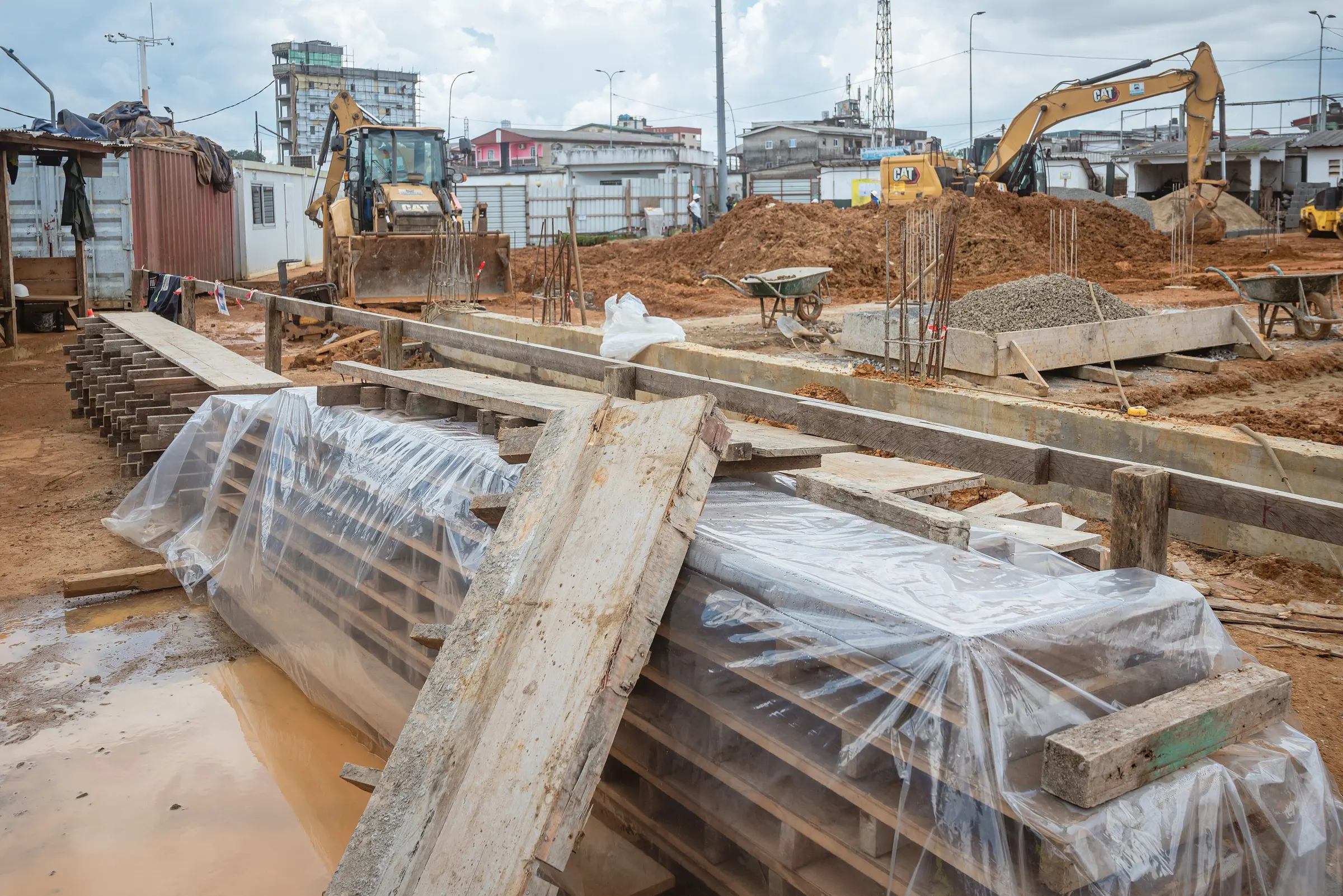
In Douala, almost every building is built in cement blocks (parpaings). The block is so familiar that its quality is rarely questioned. Yet when the Douala Urban Community listed the causes of the dangerous buildings it found in August 2026, unsuitable materials were on the list.
A weak block looks exactly like a good one once the wall is rendered. These checks take a few minutes and should be done on every delivery.
1. Know where the blocks come from
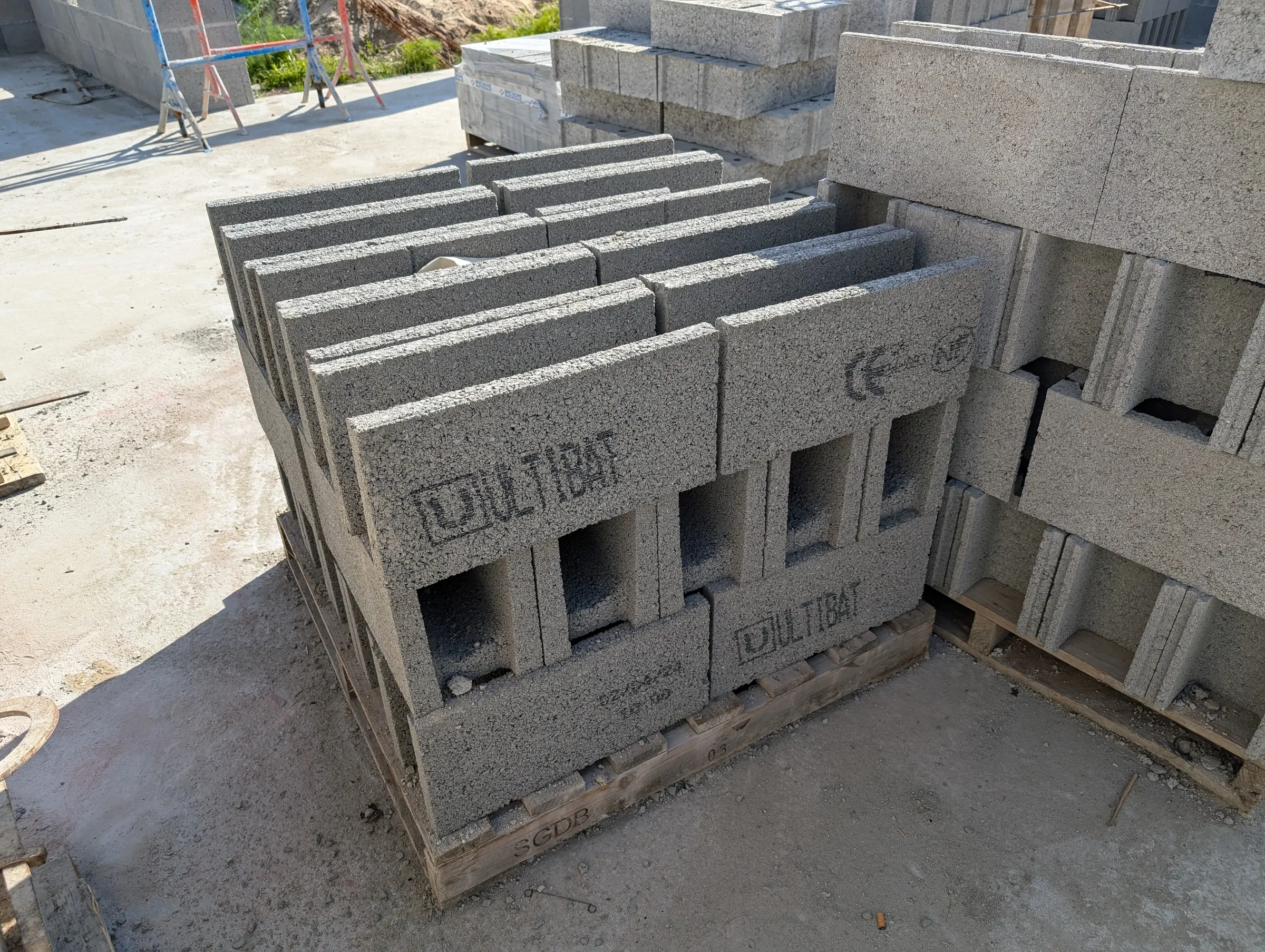
Buy from a block yard that cures its blocks properly and lets you see how it works: the cement it uses, the mix, how long blocks stay in the yard before sale. The Mission for the Promotion of Local Materials (MIPROMALO) publishes technical sheets for cement blocks and slab blocks (hourdis), and ANOR — Cameroon's standards agency — certifies conforming products with the NC mark.
2. Look at the age
Blocks gain strength as the cement cures. Freshly made blocks are not ready. They should be kept damp and shaded for several days after moulding and left to harden before they are loaded and used. A block that is still dark and damp all through, or that is delivered the day after it was made, is a warning sign.
3. Check the corners and edges
Good blocks have sharp, full corners. If corners crumble when you rub them with your thumb or break off during unloading, the block is too lean (too little cement) or too young.
4. Do the drop and scratch test
- Drop test: dropped flat from about chest height onto firm ground, a good block may chip but should not break in two.
- Scratch test: a nail or key should not dig easily into the face. Sand that rubs off freely means too little cement.
- Sound: two good blocks knocked together give a clear, solid sound, not a dull one.
5. Check sizes and shapes
Blocks should be the same size and square. Uneven blocks need thicker mortar joints, which weakens the wall and uses more cement. Check a few with a tape measure against the size ordered.
6. Watch the sand
Sand for blocks should be clean — free of clay, soil and organic matter. Dirty sand makes weak blocks however much cement is used.
Blocks are only part of the structure
Cement blocks fill the frame; in most multi-storey buildings in Douala, the reinforced-concrete columns, beams and slabs carry the load. Good blocks will not save a building with an under-designed frame. Both need to be right, and both need a qualified engineer and supervisor on site.
Sources:
- MINHDU / MIPROMALO, "Les normes de production des différents matériaux locaux de construction en logements durables", World Habitat Day, October 2024
- ANOR — Agence des Normes et de la Qualité
- StopBlaBlaCam, "Douala : 31 bâtiments identifiés comme dangereux", 7 August 2026
These site checks help you reject bad blocks. They do not replace laboratory testing where the engineer specifies it.
Photos: Syced, Pecid2180 (CC0), via Wikimedia Commons.
More articles
Insights3 min read
Why buildings collapse — and how to prevent it
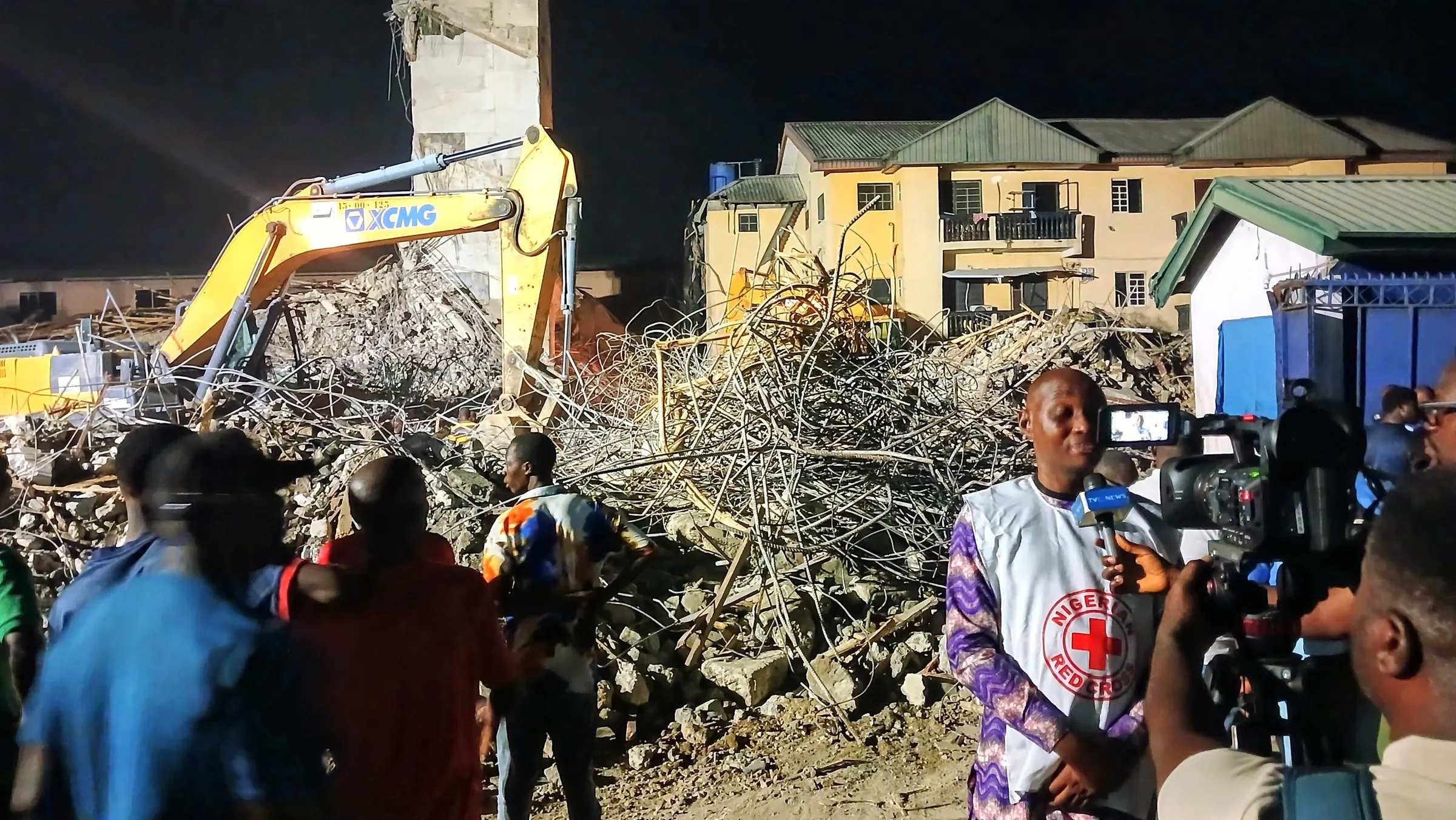
A building approved for three floors rises to four or five, inspectors are turned away, and a stop order is ignored. The Port Harcourt collapse of June 2026 shows how collapses happen — and every step that could have prevented it.
Industry News3 min read
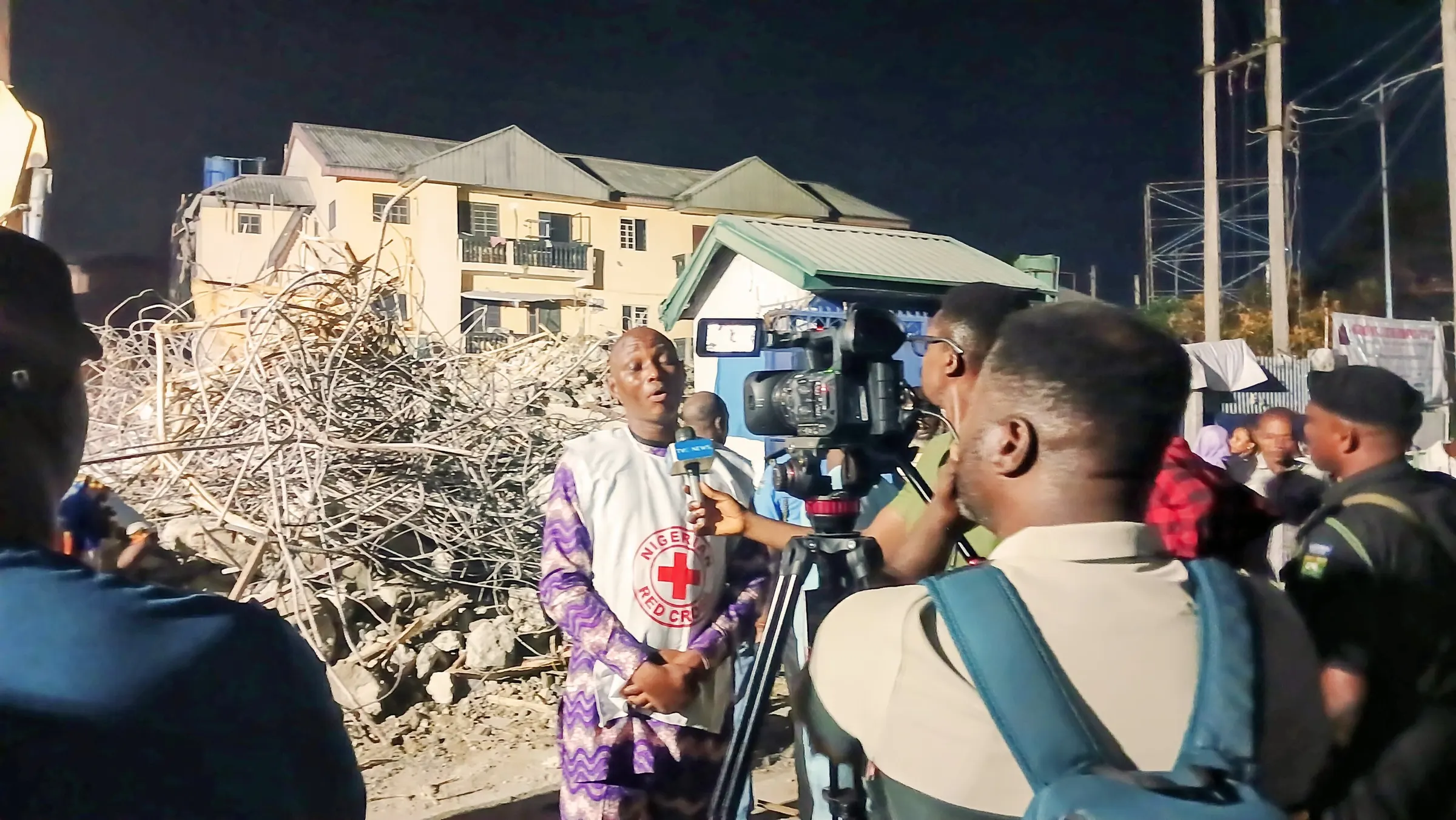
Building collapses in Douala in 2026: what went wrong, and how to build safely
Three deadly collapses in four months and 31 buildings flagged as dangerous by the city. The causes the Douala Urban Community names are the same each time — and they can all be avoided.