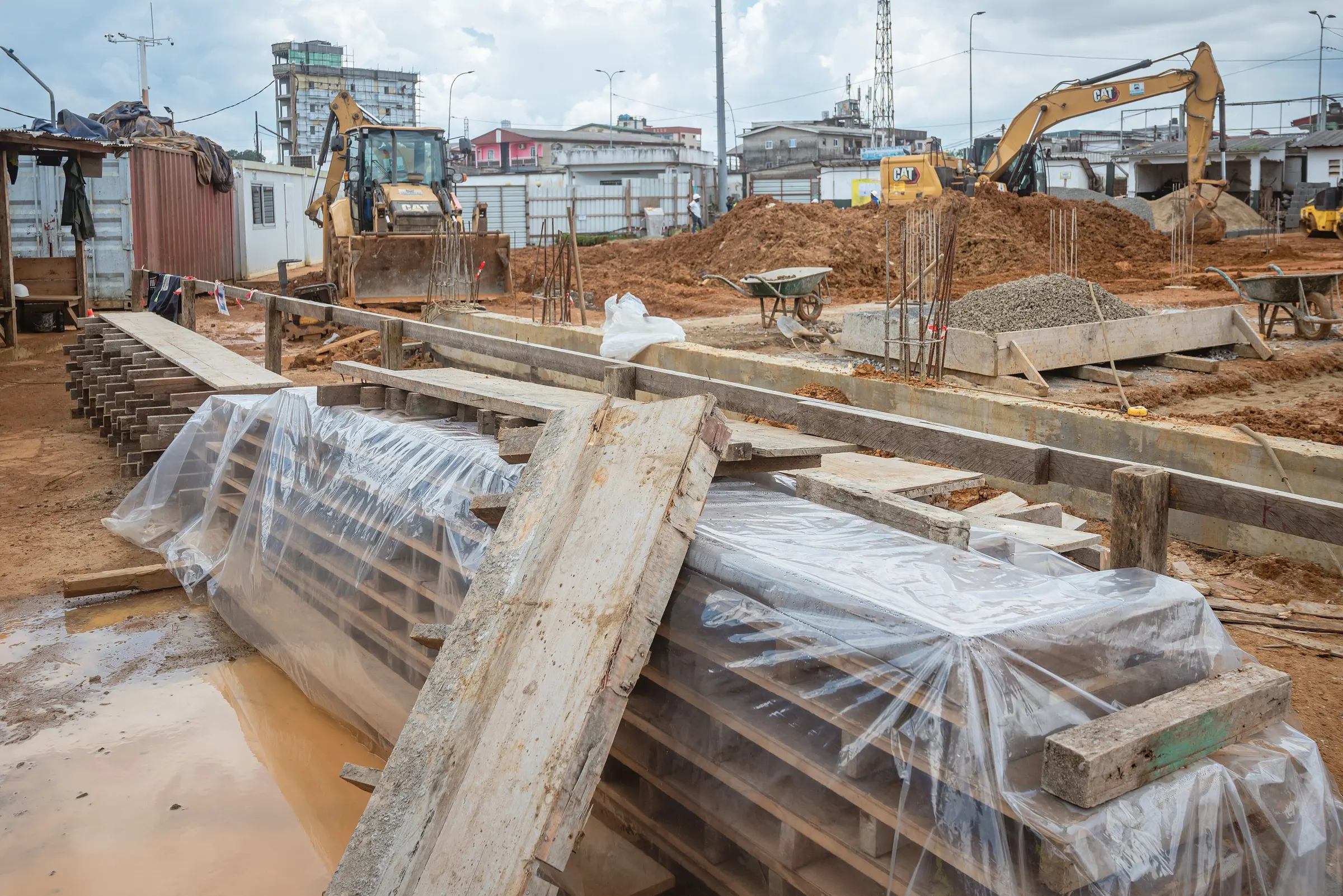
Industry News2 min read
Cement in Cameroon: capacity keeps rising, but prices stay high
National cement capacity is now estimated at nearly 12 million tonnes a year, well above estimated demand. A 50 kg bag still costs CFA5,100–5,300 in Douala and Yaoundé.
By FESFAHM Editorial Team
On paper, Cameroon now has more cement capacity than it needs. In practice, builders have not yet seen it in the price of a bag.
A crowded market
Cimencam held a monopoly for decades, which ended when Dangote Cement arrived in 2015. Cimaf, Medcem, Mira Company and Cimpor followed, and several Chinese-backed plants have since opened or are under construction. Industry estimates put national capacity at nearly 12 million tonnes a year (February 2026). Demand has long been estimated at about 8 million tonnes, although that figure is an estimate rather than measured 2026 consumption.
Approximate capacities of the main producers:
| Producer | Capacity (tonnes/year) |
|---|---|
| Cimencam | ~2.3 million |
| Dangote | 1.5 million |
| Cimaf | 1.5 million |
| Mira Company | 1.5 million |
The Edéa cluster
Much of the new capacity is around Edéa:
- Cimaco (Sinafcam Sarl) at Koukoué: a CFA39 billion plant with 1 million tonnes a year, operational since June 2025, producing 32.5, 42.5 and 52.5 grades.
- Central Africa Cement (CAC): inaugurated in September 2025, 1.5 million tonnes a year, CFA12 billion, using local pozzolan and limestone with imported clinker.
- Yousheng Cement on the Dibamba River: construction began in 2024 and is due to finish in 2026, targeting 1.8 million tonnes a year for CFA30 billion.
Together the three could reach 4.3 million tonnes a year. Only 2.5 million tonnes of that is installed so far.
Why prices haven't fallen
A 50 kg bag sold for CFA5,100–5,300 in Douala and Yaoundé in late February 2026. Continued dependence on imported clinker is one of the main reasons prices have stayed high. As Business in Cameroon puts it, "the growing number of factories has yet to produce a comparable decline in retail cement prices."
What this means for your project
Cement is one of the largest single items in a typical building budget. A few practical points:
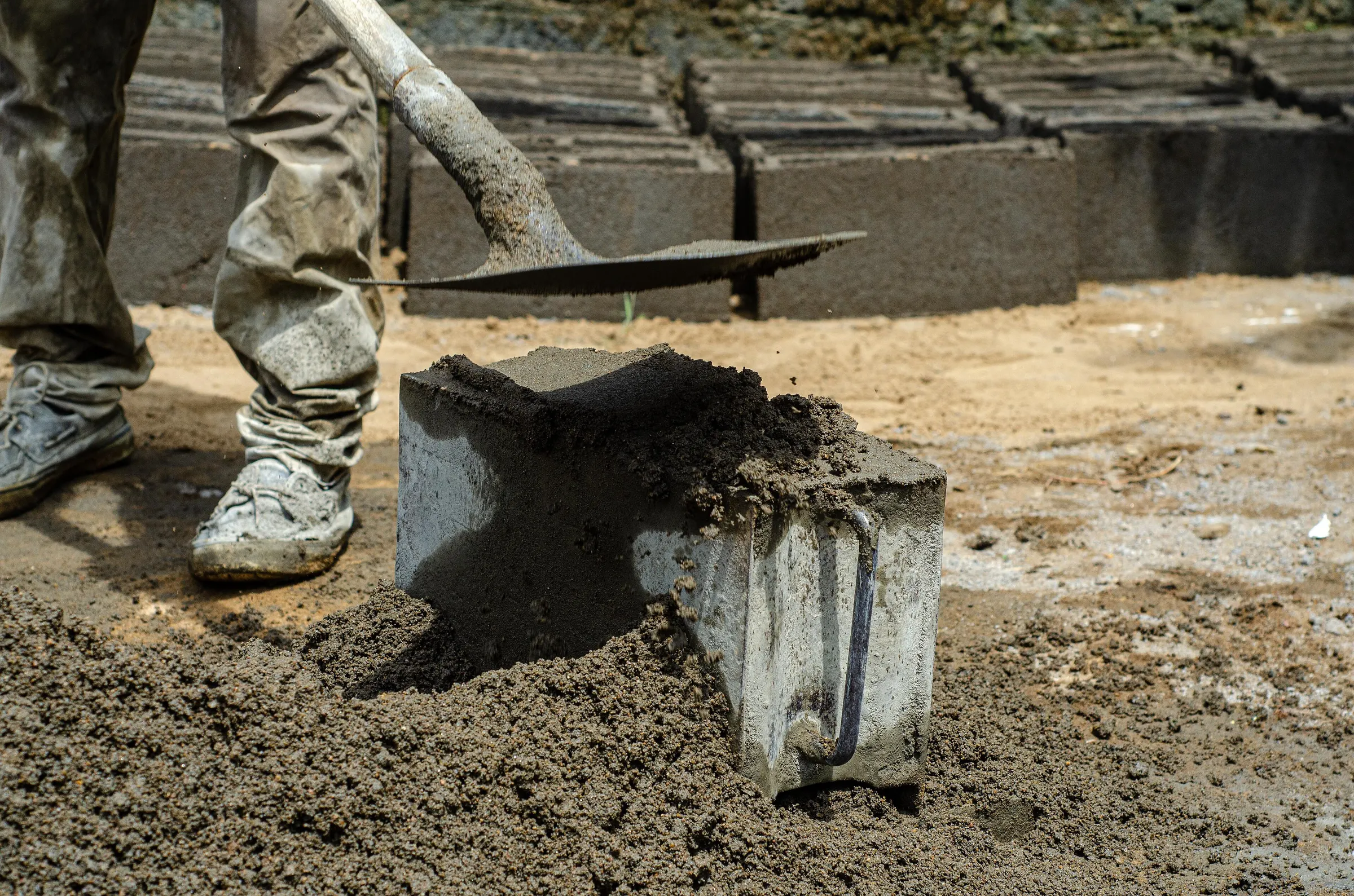
Cement blocks carry the price too. In Douala, walls are built almost entirely in cement blocks, so the price of a bag feeds straight into the cost of every block, as well as the mortar and render. Check block quality as carefully as price: a cheap block made with too little cement crumbles at the corners and soaks up water.
Specify the grade the design needs. Structural concrete and plastering do not need the same cement, and using a higher grade than necessary costs money without adding value.
Price transport separately. The ex-works price and the delivered price can differ significantly, especially outside the main cities.
Store cement properly. Keep bags off the ground, covered and dry, and use them in order of delivery. Cement spoiled by humidity is wasted money.
Build in a price review. On longer projects, agree in the contract how material price changes will be handled.
Source: Business in Cameroon, "Cameroon's cement capacity keeps rising, but prices remain high", 1 September 2026.
Photos: BACHELOR45 (CC BY-SA 4.0), via Wikimedia Commons.
More articles
Insights3 min read
Why buildings collapse — and how to prevent it
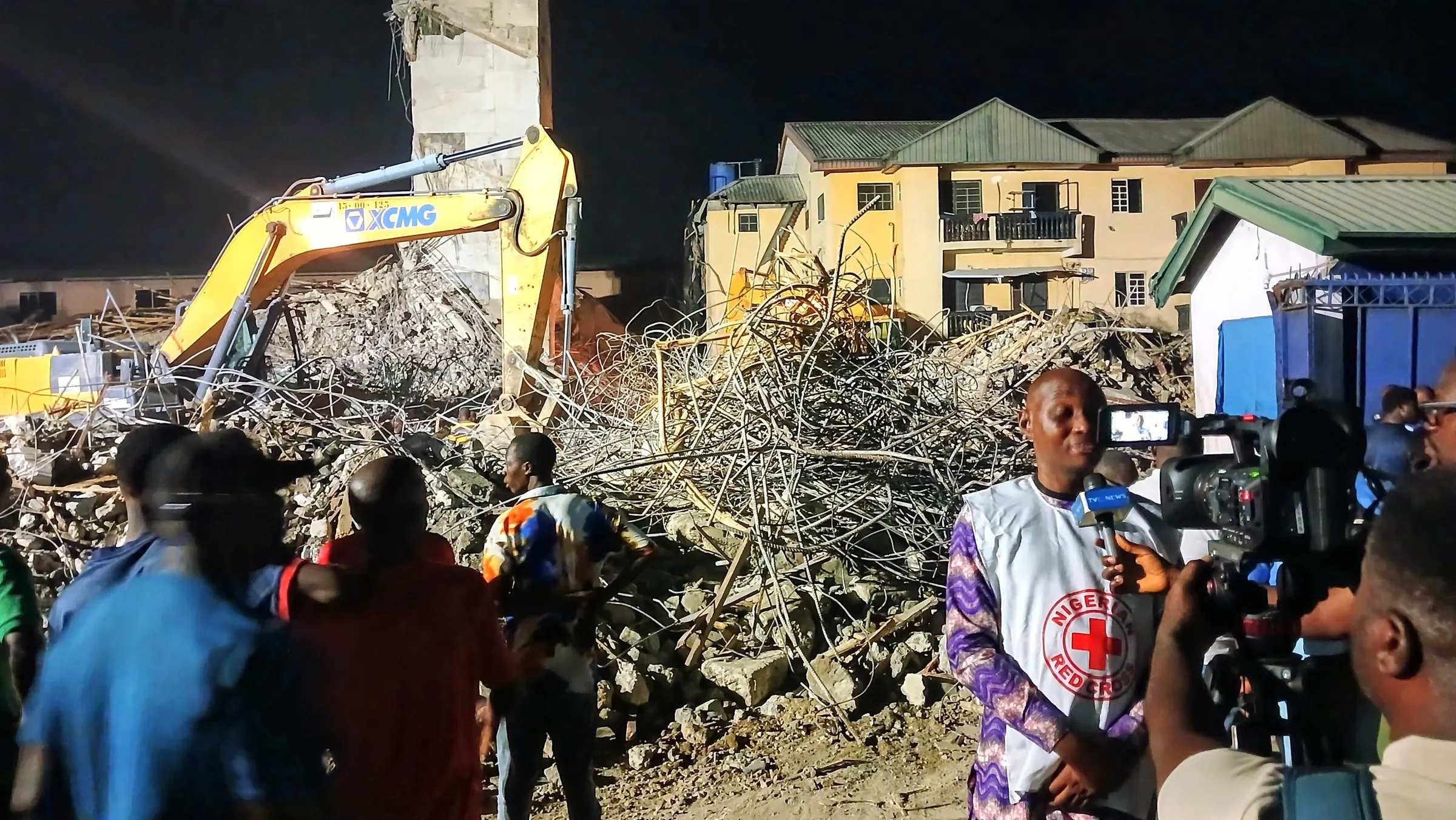
A building approved for three floors rises to four or five, inspectors are turned away, and a stop order is ignored. The Port Harcourt collapse of June 2026 shows how collapses happen — and every step that could have prevented it.
Industry News3 min read
Building collapses in Douala in 2026: what went wrong, and how to build safely
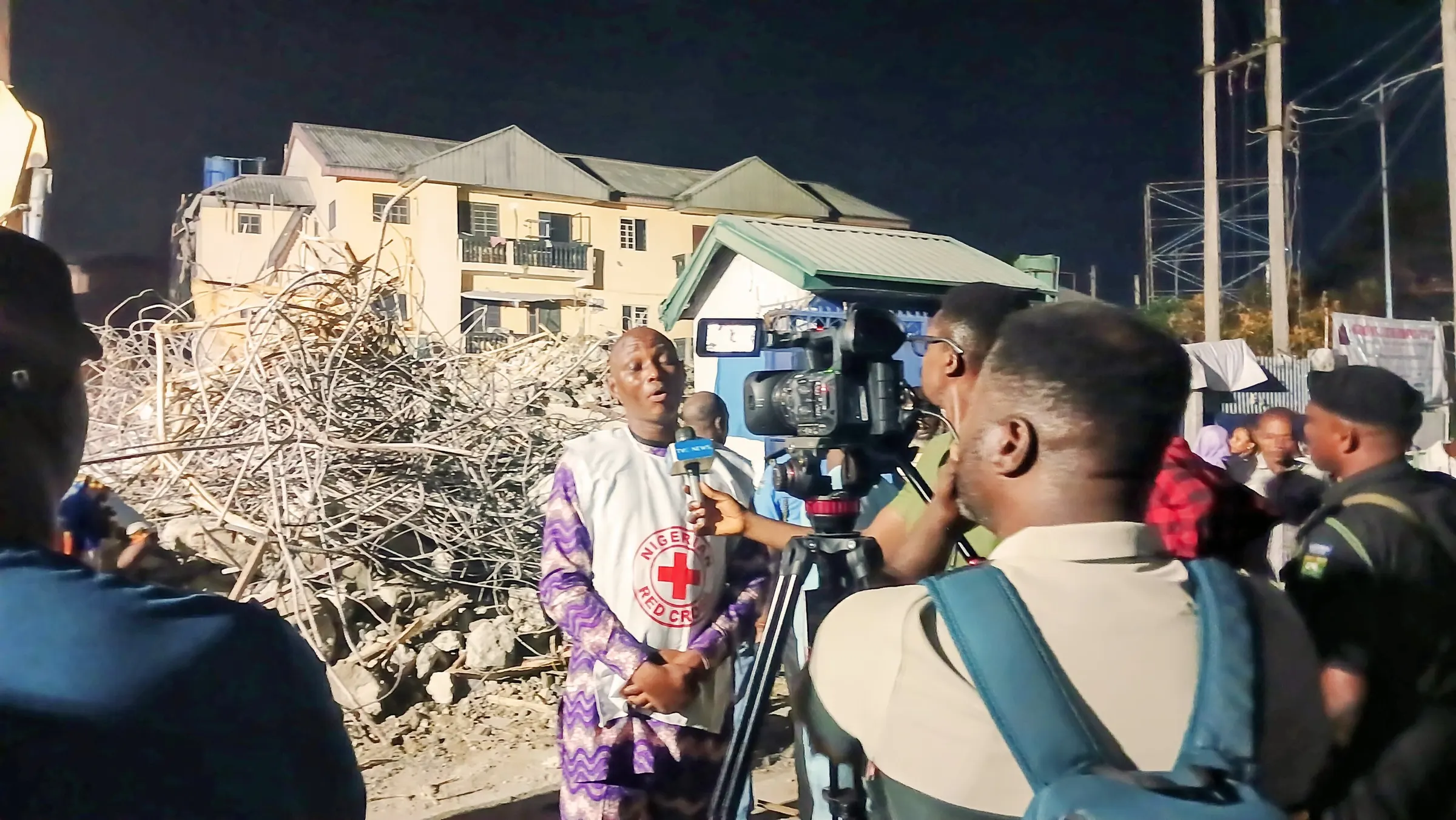
Three deadly collapses in four months and 31 buildings flagged as dangerous by the city. The causes the Douala Urban Community names are the same each time — and they can all be avoided.